Bulk Logistics: Improving Safety across Liquid Cargo Transportation

Bulk Logistics: Improving Safety across Liquid Cargo Transportation

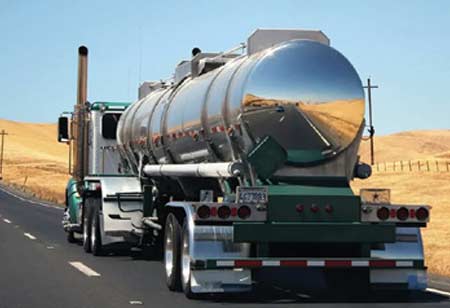
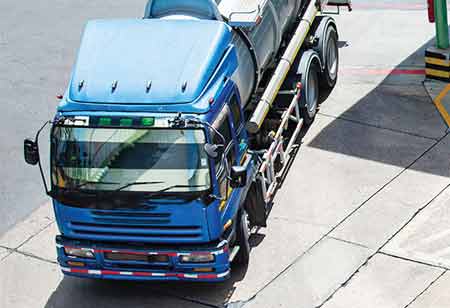
Liquid bulk cargo moves through some of the most demanding logistics environments in global trade. Chemical products, edible oils, fuels, industrial liquids, pharmaceuticals, and agricultural materials all require transportation systems capable of maintaining stability from loading point to final delivery. Expectations surrounding safety, traceability, contamination control, and scheduling precision have grown considerably as supply chains become more interconnected and operational downtime becomes increasingly expensive.

Choosing the Right Liquid Bulk Transportation Partner

Choosing the Right Liquid Bulk Transportation Partner

Liquid bulk transportation sits at the intersection of safety, regulatory oversight and supply chain performance. Companies moving chemicals, lubricants, industrial liquids and specialty products face a transportation environment where a single mistake can lead to contamination, compliance violations, product loss or costly production delays. For executives responsible for selecting transportation partners, the challenge is not simply finding capacity. It is finding a provider capable of protecting product integrity while maintaining dependable service across increasingly complex distribution networks.

Driving Change: The Role of AI in Modern Transportation

Driving Change: The Role of AI in Modern Transportation

Operations across logistics and mobility networks are becoming more agile as transportation companies refine route planning, fleet coordination, and delivery timelines to meet rising demand. Industry leaders are leveraging smart tracking systems and optimized logistics frameworks to improve efficiency while reducing transit delays. These advancements are enhancing service reliability across passenger and freight segments, supporting smoother movement of goods and people within rapidly growing urban and regional corridors.

Elevating Group Mobility Standards in Florida

Elevating Group Mobility Standards in Florida

Group transportation across Florida has grown more complex as event scale, regulatory oversight and customer expectations continue to rise. Executives responsible for selecting a transportation partner are no longer evaluating vehicles alone. They are assessing a company’s ability to manage risk, coordinate intricate logistics and deliver a consistent guest experience under variable conditions. Weather shifts, traffic volatility and dense urban corridors introduce daily unpredictability. In that environment, reliability is not a slogan but a planning discipline.

Optimizing Airfield Operations with Progressive Bird Mitigation Solution

Optimizing Airfield Operations with Progressive Bird Mitigation Solution

The air transport ecosystem continues its evolution as airports invest in reinforcing operational resilience in every dimension, and bird control services have moved from a reactive obligation to a proactive strategic imperative. With air traffic volumes intensifying across mature and emerging markets, the pressure to safeguard flight operations from avian hazards has galvanized a paradigm shift in how wildlife management is perceived and deployed.

Setting the Standard in Aircraft Cleaning and Washing Services

Setting the Standard in Aircraft Cleaning and Washing Services

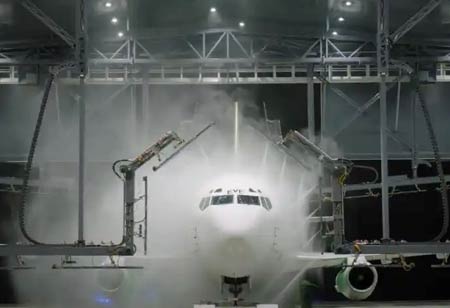
Aircraft cleaning and washing services occupy a critical position in aviation maintenance, brand presentation and asset preservation. Fleet operators and maintenance leaders are responsible not only for appearance, but also for regulatory compliance, inspection readiness and long-term cost control. Cleaning programs that treat the aircraft as a generic surface rather than a complex asset often introduce avoidable risk, environmental exposure and unnecessary repaint or fuel expense.

Operational Readiness: How Aircraft Cleaning Services Shape Aviation Efficiency

Air travel operates within an ecosystem where efficiency, reliability, and presentation intersect with operational discipline. Within that environment, aircraft cleaning and washing services occupy a quiet yet indispensable role that increasingly reflects broader shifts within aviation. Rising fleet utilization, expanding route networks, and growing expectations around aircraft condition have altered how airlines and airport operators evaluate service providers. Cleaning operations that were once treated as routine ground support functions are now viewed through a wider operational lens that emphasizes reliability, sustainability considerations, and coordination with maintenance and turnaround schedules.

Managing Bird Risk in Airport Environments

Managing Bird Risk in Airport Environments

Airports face a persistent challenge that sits at the intersection of safety, hygiene and asset protection. Birds are drawn to hangars, terminals and covered structures because these spaces provide shelter, warmth and predictable conditions. Once established, populations can expand quickly, turning a localized issue into a systemic one. Droppings contaminate work areas, nesting materials interfere with equipment and aggressive behavior creates risk for staff and passengers. In maintenance zones, contamination can reach aircraft components, introducing exposure that aviation operators cannot accept.

Connected Waterfronts: WiFi Innovation for Modern Marinas

Connected Waterfronts: WiFi Innovation for Modern Marinas

Marinas and waterfront WiFi solutions are increasingly recognized as essential infrastructure for enhancing visitor experience, operational efficiency, and safety communications in nautical environments. These solutions deliver robust wireless connectivity across docks, slips, harbors, and adjacent recreational spaces where traditional networking faces unique challenges such as wide open spaces, reflective water surfaces, and fluctuating user density.

Choosing A Partner For Railroad Safety Training And Compliance

Choosing A Partner For Railroad Safety Training And Compliance

Rail operations continue to face mounting pressure from regulators, insurers and downstream customers, particularly in environments where rail interfaces directly with trucking, marine transport or industrial facilities. Safety failures no longer stay isolated to a single site. A single incident can trigger multi-agency scrutiny, operational shutdowns and long-term reputational damage. For executives responsible for rail safety training and compliance, the challenge is less about understanding the rules and more about sustaining consistent adherence across varied locations, workforces and risk profiles.

Elevating Railroad Safety through Expert Training Solutions

Elevating Railroad Safety through Expert Training Solutions

The railroad industry is a critical component of global transportation, facilitating the efficient movement of goods and passengers across vast distances. Despite its long-standing history and importance, the sector faces significant safety challenges. From hazardous materials to complex operational systems, ensuring the safety of railroad workers and the communities they serve is paramount. This is where specialized railroad safety training and consulting services come into play.

Reliable Connectivity at the Water's Edge

Reliable Connectivity at the Water's Edge

For marina owners and waterfront operators, connectivity has shifted from a courtesy offered to slipholders into infrastructure that underpins safety, revenue and day-to-day control. Guest expectations have risen, yet the operational consequences of poor connectivity now extend well beyond complaints. Access control systems, surveillance cameras, fuel docks and point-of-sale terminals increasingly depend on dependable wireless coverage. In an environment shaped by water reflection, vessel density and seasonal surges in usage, generic approaches to outdoor Wi-Fi rarely hold up over time.

Marine Insurance Coverage: A Strategic Approach to Risk

Marine Insurance Coverage: A Strategic Approach to Risk

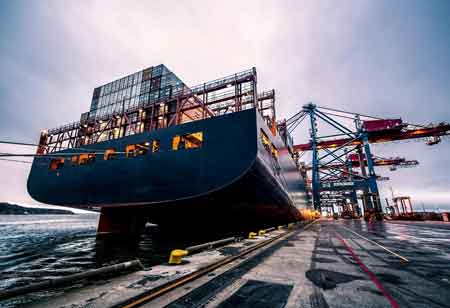
An effective risk management strategy becomes vital for stakeholders in maritime commerce, as exposures vary widely from ship-owning companies to cargo handling enterprises. Increasingly, marine insurance coverage services tailored to the operational risks faced by specific ship enterprises are being sought due to the growing complexity of maritime insurance. This need for particular coverage arises from the common operational characteristics that marine operators share. General insurance policies offer basic protection, while specific challenges of the individual operators may remain unaddressed.